The Luxury of Simplicity in pastry
It’s not always the tallest garnish, the most colorful glaze, or the dessert with the most components on the plate. Sometimes, the most memorable pastry is the one that feels effortless: a perfectly laminated croissant, a clean vanilla tart, a dark chocolate dessert with just the right balance of bitterness and sweetness, or a plated dessert where every element has a reason to be there.
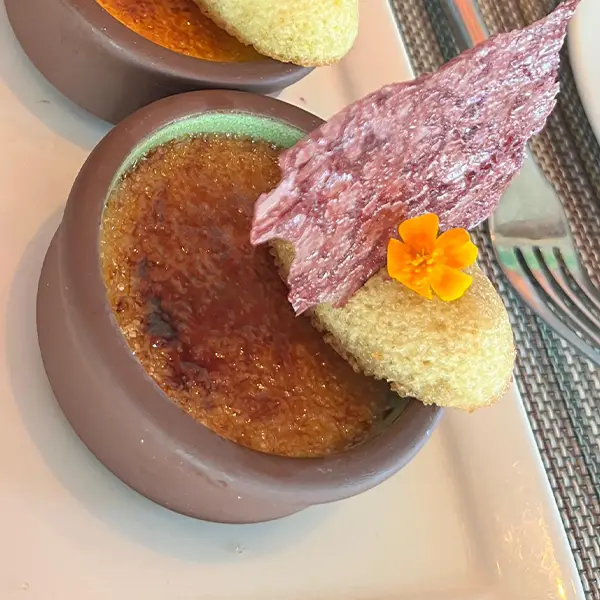
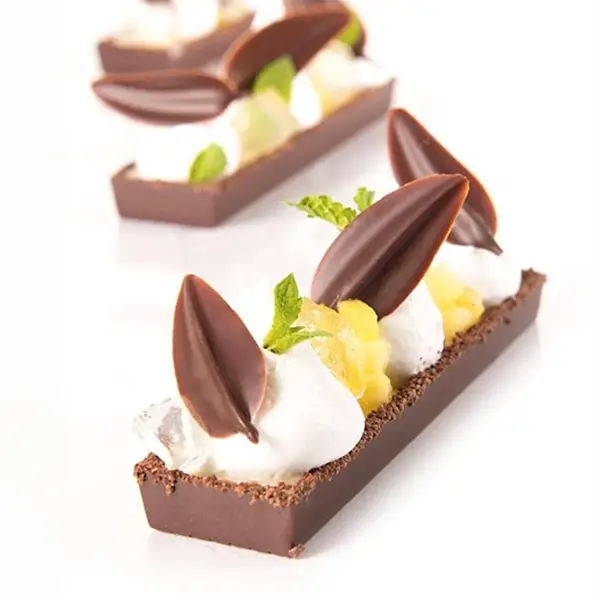
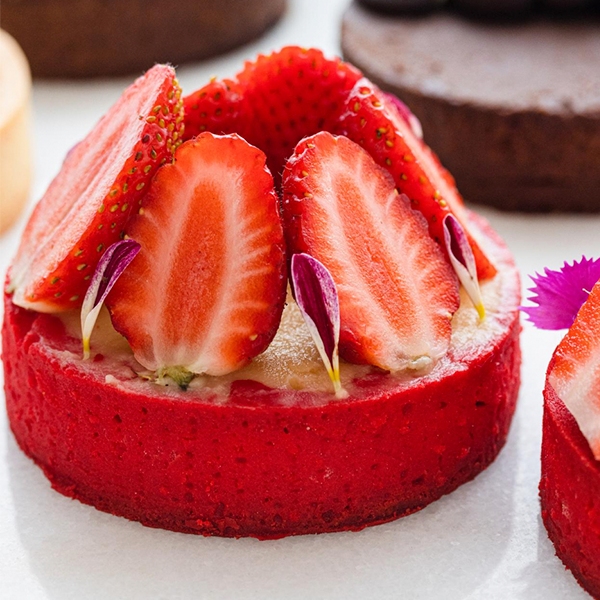
Cédric Grolet, world-renowned French pastry chef, known for his sculptural fruit desserts once said “A simple seasonal pastry is often much more effective.”
In high-end pastry, simplicity does not mean easy. In fact, it often means the opposite. When a dessert is stripped back, there is nowhere for imbalance to hide. The quality of the ingredients, the precision of the technique, the texture, the temperature, and the final presentation all become more noticeable. A simple dessert asks more of the chef, not less.
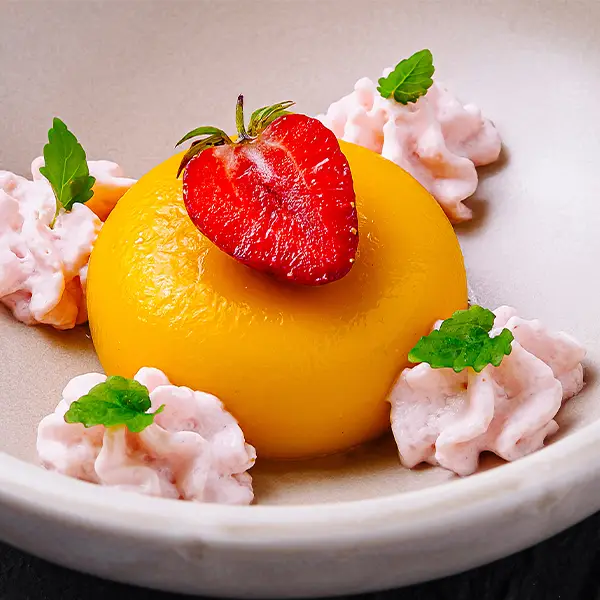
Simple Does Not Mean Plain
A plain dessert feels like something is missing. A refined dessert feels like everything unnecessary has been removed.
That distinction matters.
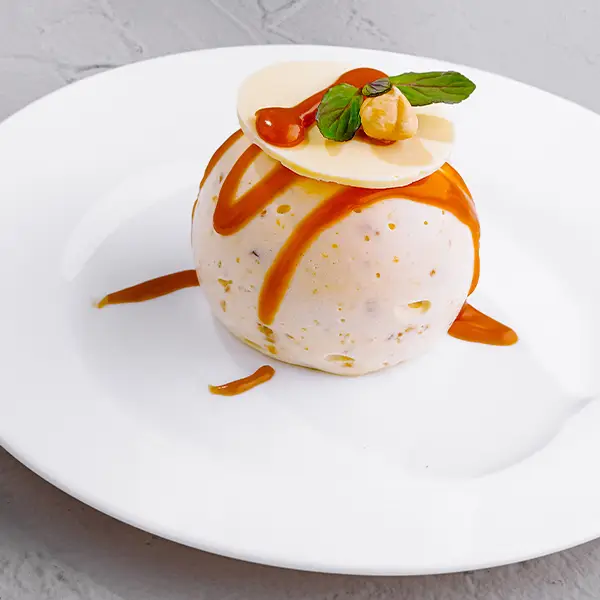
In luxury pastry, simplicity is not about doing less for the sake of doing less. It is about creating clarity. Every layer, garnish, sauce, and texture should have a purpose. If an element does not add flavor, contrast, aroma, structure, or beauty, it may not belong.

A simple seasonal pastry is often much more effective,”
Cédric Grolet
Renowned French Pastry Chef in an interview with SHARP Magazine. Adding that when pastry goes too far, guests may no longer understand what they are eating.
Let One Ingredient Lead
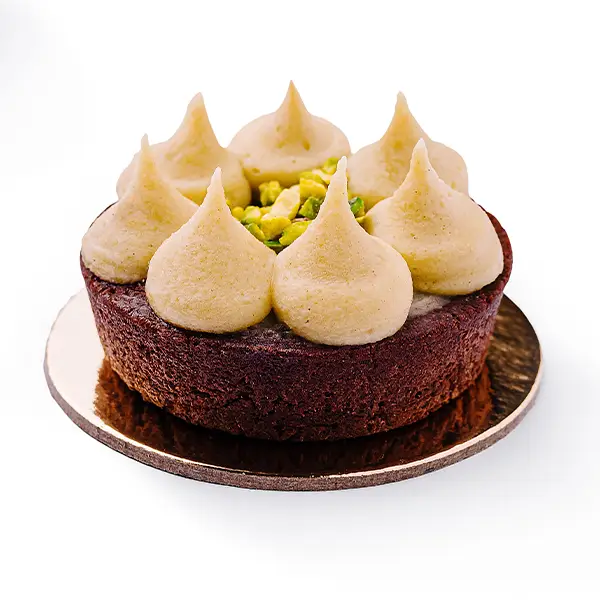
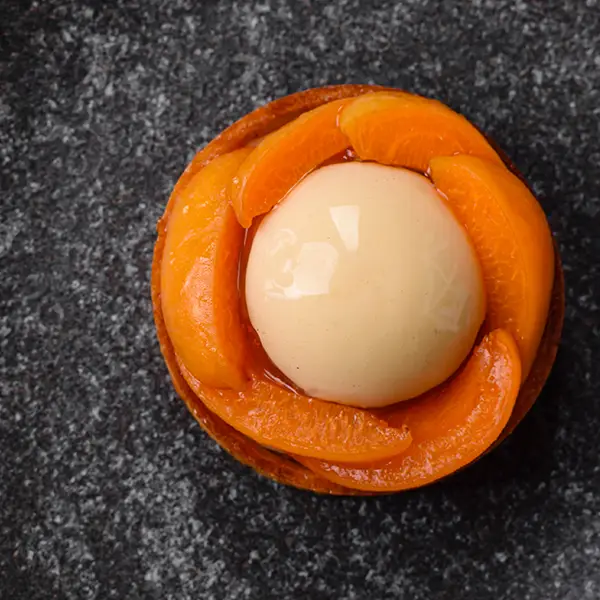
One reason simple pastry feels elevated is that it allows premium ingredients to take the lead. A vanilla bean panna cotta, a pistachio financier, a dark chocolate tart, or a fruit-forward entremet can feel more luxurious than a crowded dessert when the featured ingredient is allowed to shine. Grolet has also described fruit as something that should be respected, concentrated, and reduced to its essentials. In So Good Magazine, he explained that respecting the nature of fruit is the first condition for making very good desserts, and that some fruits become even better when their flavor is concentrated. For pastry professionals, that is a powerful reminder. A dessert does not need to include everything. It needs to express something clearly.
Beauty Should Never Replace Flavor
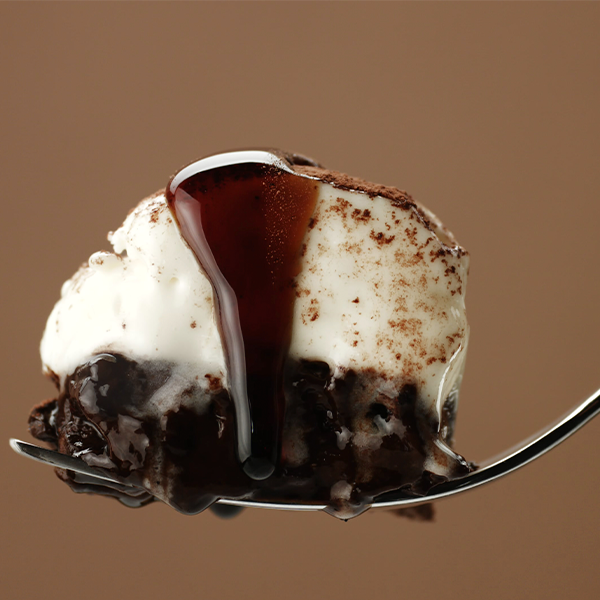
Pastry is visual. It always has been. But in today’s social media-driven food world, it can be tempting to design desserts for the camera before designing them for the guest. French pastry chef Claire Heitzler has spoken directly to this tension. In Pastry Arts Magazine, she noted that pastry has become very technical and visually driven, but emphasized that what matters most is “what’s in the spoon” and that the dessert tastes good. That does not mean presentation is unimportant. It means presentation should support the dessert, not hide it. A glossy glaze, a clean cut, a delicate garnish, or a precise layer can all communicate luxury. But if the flavor does not deliver, the beauty is only temporary.
Balance Is the Real Luxury
In pastry, balance is everything. Sweetness should support flavor, not overpower it. Acidity should brighten the dessert, not dominate it. Texture should create interest without distracting from the main idea. Pierre Hermé, one of the most influential names in modern pastry, has described sugar as a tool for revealing flavor, not simply making things sweet. In Michelin Guide, he explained that he uses sugar to expose the subtleties of other flavors and build flavor balance. That is where true luxury lives. Not in excess, but in control.
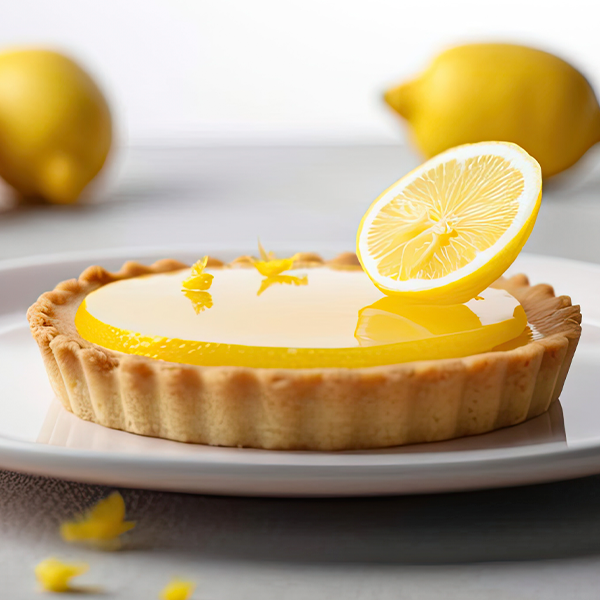
A lemon tart, for example, may look minimal on the plate, but its success depends on precision. The shell must be crisp. The filling must be bright without becoming harsh. The sweetness must soften the acidity without muting it. The finish must feel polished, not overworked. Simple desserts are often remembered because they are balanced, focused, and complete.
Less sweet and more subtle
Claire Heitzler
The New Luxury Is Intentional
Modern pastry does not have to choose between elegance and restraint. The most refined desserts often combine both. Luxury can be sculptural, glossy, and dramatic. But it can also be quiet. It can be a clean tart, a delicate mousse, a perfectly layered cake, or a plated dessert with only a few elements, each executed with precision. In the end, simplicity in pastry is not about doing less, Its about making every detail matter.
.
Want the Extra Guide?
For pastry professionals looking to apply this idea in the kitchen, we created a downloadable guide with practical tips for building refined desserts through flavor, texture, contrast, and presentation.
Download: The Pastry Professional’s Guide to Refined Simplicity